'Intra-Afghan' Talks Under Way In Moscow Amid Continuing Violence
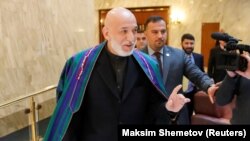
Former Afghan President Hamid Karzai in Moscow on February 5
Taliban representatives and an Afghan delegation led by former President Hamid Karzai have begun two days of talks in Moscow billed as part of an "intra-Afghan" peace process -- despite the absence of Kabul government representatives and continued militant attacks back in Afghanistan.
The gathering has been criticized by the office of current Afghan President Ashraf Ghani.
It comes as broader peace talks aimed at ending the country's 17-year war appear to be gaining momentum, despite the Taliban's continued refusal to meet directly with Afghan government representatives.
The Russian government has denied organizing the meeting, which is being hosted by a Moscow-based organization of Afghan diaspora leaders.
However, it's highly unlikely such a high-profile event would be allowed to take place in Moscow without the Kremlin's blessing.
Kremlin spokesman Dmitry Peskov said as the talks got under way on February 5 that there were no contacts planned by the Kremlin to meet with any of the Taliban delegates.
The Moscow talks also were expected to be attended by delegates from Afghan diasporas from the countries of the Commonwealth of Independent States (CIS) and Europe, as well as representatives from Iran and Pakistan.
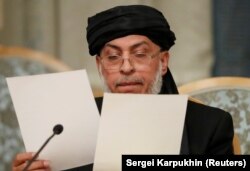
Sher Mohammad Abbas Stanikzai (file photo)
Afghanistan's chief executive, Abdullah Abdullah, said the Afghan government should be at the center of any peace talks, adding that Kabul "would prefer the Moscow meeting had a different shape."
Abdullah also said the Taliban was the biggest obstacle to peace in Afghanistan. But he said that if the Moscow meeting creates "an opening for real peace talks, it would still be a step forward."
Hopes And Fears Of Young Afghans As Taliban Talks Advance
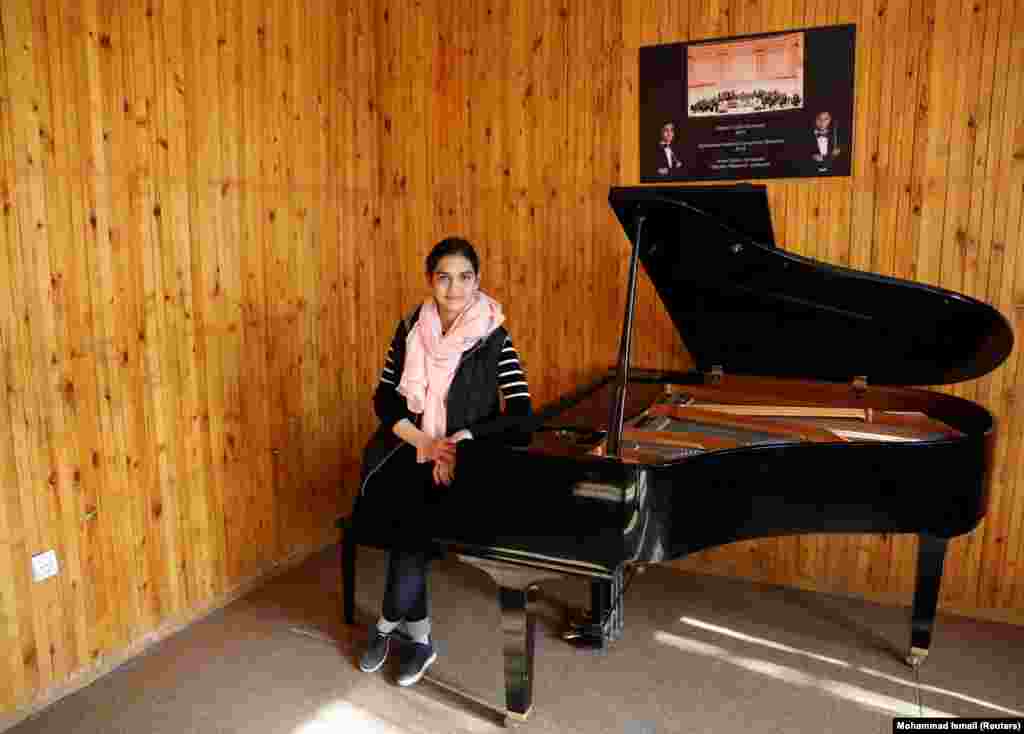
1/14Maram Atayee, 16, a pianist at the Afghan National Institute of Music, is concerned about a future role in government for the Taliban. "The thing I'm most worried about is that if they return, I won't be able to continue playing music."
This year the generation of Afghans born in 2001, when a U.S.-backed coalition toppled the Taliban, comes of age. As the United States engages in talks with the militants, young Afghans speak of their hopes and concerns for the future.
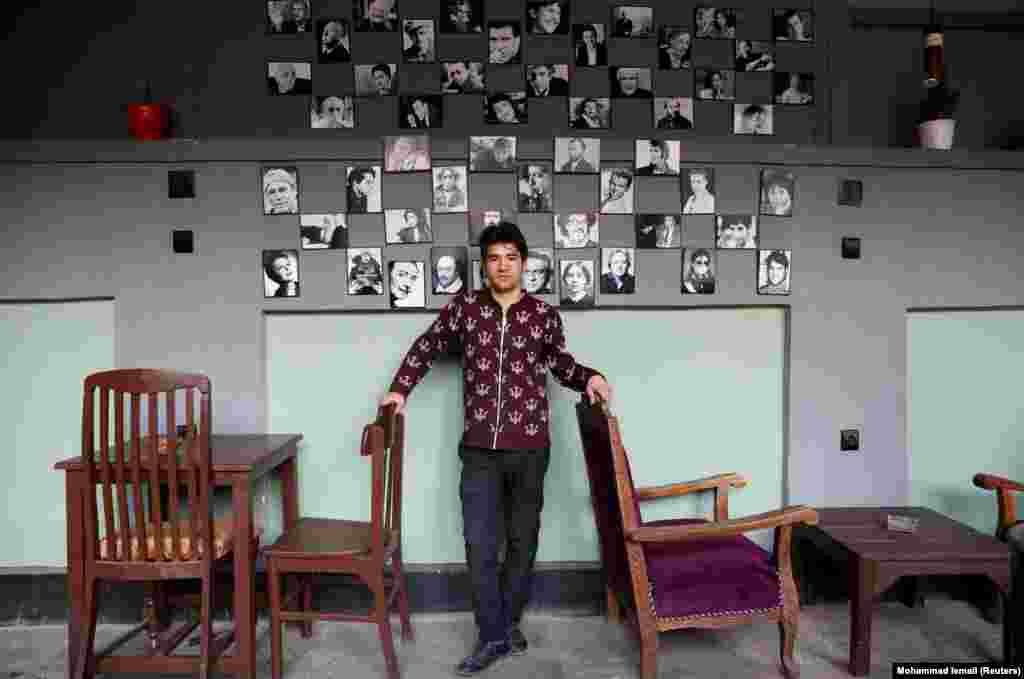
2/14Anosh Sarwari, 23, works in a coffee shop. "We are thirsty for peace. We want peace so people can run their businesses and live comfortably."
This year the generation of Afghans born in 2001, when a U.S.-backed coalition toppled the Taliban, comes of age. As the United States engages in talks with the militants, young Afghans speak of their hopes and concerns for the future.
3/14Doctor Mohammad Jawed Momand, 22. "Peace requires everyone to lay down their arms, and think about education and prosperity in our country."
This year the generation of Afghans born in 2001, when a U.S.-backed coalition toppled the Taliban, comes of age. As the United States engages in talks with the militants, young Afghans speak of their hopes and concerns for the future.
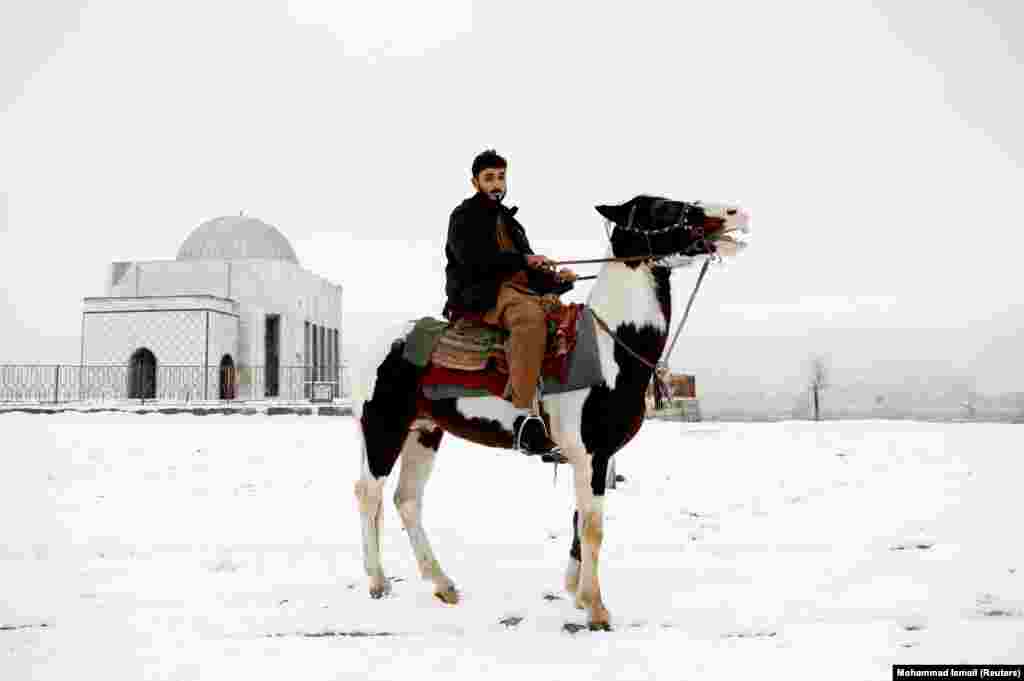
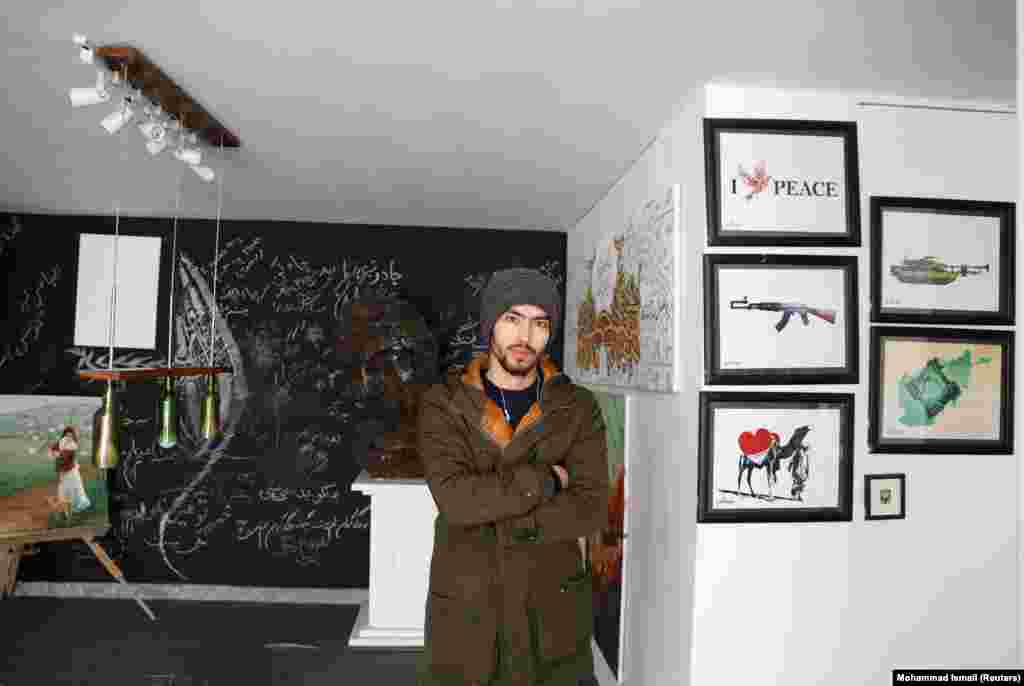
4/14Artist Mahdi Zahak, 25. "There is hope for peace. But the only way we can have peace is if they (the Taliban) accept the achievements made in this country in the past 17 years and let everyone enjoy their lives."
This year the generation of Afghans born in 2001, when a U.S.-backed coalition toppled the Taliban, comes of age. As the United States engages in talks with the militants, young Afghans speak of their hopes and concerns for the future.
5/14Kawsar Sherzad, 17, at her Thai boxing club in Kabul. "Afghan females have made a lot of achievements in sports. I am optimistic that the Taliban will accept these achievements."
This year the generation of Afghans born in 2001, when a U.S.-backed coalition toppled the Taliban, comes of age. As the United States engages in talks with the militants, young Afghans speak of their hopes and concerns for the future.
6/14Afghan model Omid Arman, 21. "Everyone has the desire for peace in this country. We've witnessed a lot of conflicts. It's enough, we don't want to be witnesses to any more tragedy."
This year the generation of Afghans born in 2001, when a U.S.-backed coalition toppled the Taliban, comes of age. As the United States engages in talks with the militants, young Afghans speak of their hopes and concerns for the future.
7/14Freelance journalist Zainab Farahmand, 22. "We will only welcome the Taliban if they accept democracy and its values."
This year the generation of Afghans born in 2001, when a U.S.-backed coalition toppled the Taliban, comes of age. As the United States engages in talks with the militants, young Afghans speak of their hopes and concerns for the future.
8/14Sultan Qasim Sayeedi, 18, scours social media to study fashion. "We're afraid that if the Taliban come, we will not be able to hold our shows." But he also says it's time the fighting ended. "If American troops go, peace will come."
This year the generation of Afghans born in 2001, when a U.S.-backed coalition toppled the Taliban, comes of age. As the United States engages in talks with the militants, young Afghans speak of their hopes and concerns for the future.
9/14Nadim Quraishi, 19, poses for a picture outside his game zone shop in Kabul. "We want to see an end to the current conflict in the country. We are hopeful for a lasting peace between the government and the Taliban."
This year the generation of Afghans born in 2001, when a U.S.-backed coalition toppled the Taliban, comes of age. As the United States engages in talks with the militants, young Afghans speak of their hopes and concerns for the future.
10/14Zarghona Haidari, 22, works at a book store. "I'm not very optimistic about peace. I don't think the Taliban will make a deal with the government."
This year the generation of Afghans born in 2001, when a U.S.-backed coalition toppled the Taliban, comes of age. As the United States engages in talks with the militants, young Afghans speak of their hopes and concerns for the future.
11/14Owner of a luxury clothes shop Sohail Ataie, 22. "We are tired of war. What we want is peace, to live a better life."
This year the generation of Afghans born in 2001, when a U.S.-backed coalition toppled the Taliban, comes of age. As the United States engages in talks with the militants, young Afghans speak of their hopes and concerns for the future.
12/14Farzad Aslami, 18, at a snooker club in Kabul. "We want peace for the sake of our country's welfare. We don't want any more suicide attacks and explosions."
This year the generation of Afghans born in 2001, when a U.S.-backed coalition toppled the Taliban, comes of age. As the United States engages in talks with the militants, young Afghans speak of their hopes and concerns for the future.
13/14Hairdresser Hussain, 19, at a hair salon in Kabul. "I am optimistic about the Taliban joining the peace process." Like many young Afghans, Hussain grew up in neighbouring Iran where millions have taken refuge. "I want the Taliban to change their policy and not behave like before."
This year the generation of Afghans born in 2001, when a U.S.-backed coalition toppled the Taliban, comes of age. As the United States engages in talks with the militants, young Afghans speak of their hopes and concerns for the future.
14/14Singer Wasim Anwari, 19, at the Afghan Star talent show at Tolo television studio in Kabul. "Without peace there is no hope for a better future."
This year the generation of Afghans born in 2001, when a U.S.-backed coalition toppled the Taliban, comes of age. As the United States engages in talks with the militants, young Afghans speak of their hopes and concerns for the future.
Previous slide
Next slide
The United States has not commented publicly on the meeting, which includes a 10-member Taliban delegation led by Sher Mohammad Abbas Stanikzai.
Going into the negotiating room in Moscow on February 5, Stanikzai did not respond to questions from journalists about the Taliban's position on direct talks with an intra-Afghan delegation -- saying that "comments will come later."
Karzai made no comment at all to journalists as he went into the negotiating room.
In a post on Twitter, Karzai said he would be bringing to the talks “a message of peace, unity, sovereignty, and progress for all of us."
Along with Karzai, the former president, many of the 38 delegates from Kabul have held prominent government positions.
Among them is potential presidential candidate Hanif Atmar, who resigned as Ghani's security adviser in August.
Former Vice President Mohammad Yunus Qanuni and former Balkh Governor Atta Mohammad Noor are also on the list of participants, along with former Taliban insurgents who reconciled with the Afghan government.
Since his appointment last September, U.S. peace envoy Zalmay Khalilzad has been holding separate negotiations with the Taliban. He’s also pressed for talks to bring together all major parties in the conflict.
Meanwhile, Taliban attacks have continued in Afghanistan.
A pre-dawn militant attack on February 5 on an army base in northern Kunduz province killed at least 26 members of the security forces, said Mohammad Yusouf Ayubi, head of the provincial council.
Ayubi said the attackers were eventually repelled after reinforcements arrived at the besieged base on the outskirts of the provincial capital, Kunduz city.
Taliban spokesman Zabihullah Mujahid claimed responsibility for the Kunduz attack.
Late on February 4, at least 21 people were killed in two Taliban attacks.
Eleven police officers were slain when the insurgents stormed a checkpoint in northern Baghlan Province, and 10 people were killed in a militant attack on a local pro-government militia in a village in northern Samangan province.